
Creating a wedding seating chart can feel overwhelming, but with a clear process, it becomes much easier to manage. A thoughtful wedding seating chart helps your reception flow smoothly, keeps guests comfortable, and ensures everyone feels included.
Whether you’re planning a small intimate wedding or a large celebration, this guide will walk you through exactly how to create a stress-free wedding reception seating arrangement that works seamlessly on your big day.
Why a Wedding Seating Plan Matters
I’ve coordinated hundreds of weddings, and I can say with confidence that a well-organized wedding seating plan is more than just assigning guests to tables. It shapes the energy of the room and creates positive memories of your entire wedding.
A great seating arrangement helps:
- Improve guest comfort and experience
- Reduce awkward social dynamics
- Encourage conversation between guests
- Support smooth catering and service flow
- Create a more intentional, organized reception layout
Step 1: Review Your Venue Layout

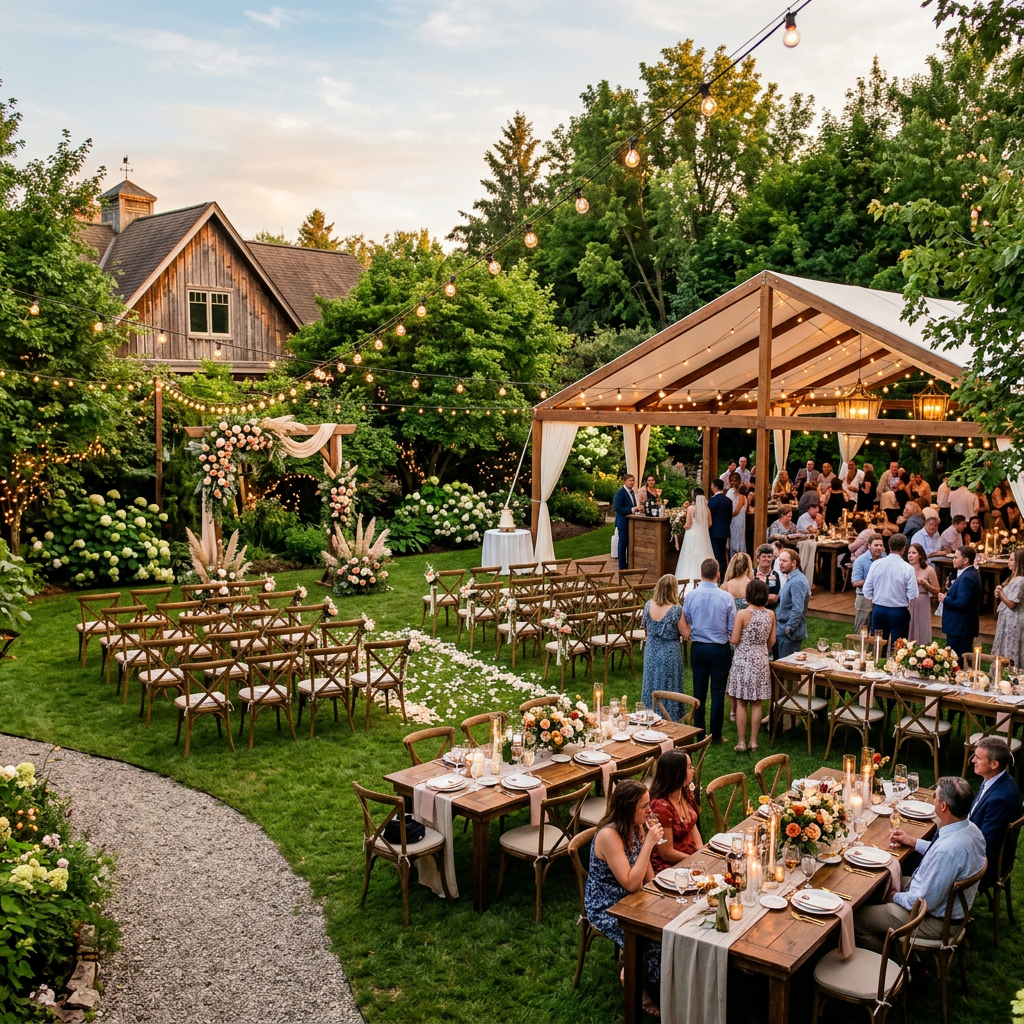
Before you start building your wedding table plan, it’s important to understand your venue space.
Take note of:
- Table shapes and sizes (round, rectangle, banquet)
- Dance floor placement
- Head table or sweetheart table location
- Bar, buffet, or catering stations
- Accessibility and guest flow
Your venue layout will guide every decision in your wedding seating chart.
Pro Tip: Ask your wedding venue for a floor plan or room dimensions! For other must-ask wedding venue questions check out Wedding Venue Questions.
Step 2: Choose Your Head Table Style


Your head table is the focal point of your reception. Consider placing it at the “head” of the room so your guests are able to see you throughout the reception.
Common head table options include:
- Traditional head table – Couple + wedding party
- Sweetheart table – Just the couple
- Family-style head table – Couple seated with close family
Choosing early helps anchor your entire wedding seating plan.
Pro Tip: Wherever your head table is set up, think about how your photo’s will look with the backdrop behind your head table – will you need to create a backdrop? Or is there a beautiful view/set up already there? This may help with choosing a location in the room to put it.
Step 3: Group Your Guests

Start organizing guests into natural groups before assigning tables. This is the simplest way to sort out who you already know is going to sit together.
Helpful categories of guests to start with:
- Immediate family
- Extended family
- Close friends
- Work colleagues
- Plus-ones
After those guests are assigned, then consider:
- Who already knows each other?
- Who would get along well?
- Any sensitive relationships or dynamics?
This step makes building your wedding reception seating arrangement MUCH easier.
Step 4: Place Anchor Tables First

Anchor tables are your priority seating areas, including:
- Parents and immediate family
- Grandparents and VIP guests
- Wedding party tables
Once these are placed, you can build the rest of your wedding seating chart around them. Typically, these tables are placed closest to the couple.
Step 5: Balance the Room

A well-designed wedding seating plan feels balanced across the entire room. Not just the layout of the tables, but of the dynamics of your guests.
Aim to mix:
- Age groups
- Energy levels
- Familiar and new guests
- Family sides (when appropriate)
Think of each table as a mini conversation circle when deciding who will sit where.
Step 6: Handle Tricky Guest Situations

Most weddings have a few complicated seating needs.
For example:
- Divorced parents
- Guests who don’t get along
- Guests who don’t know many people
Tips:
- Seat conflicting guests apart
- Use neutral “buffer” guests when needed
- Prioritize comfort over forcing interactions
Step 7: Plan for Plus-Ones Thoughtfully

Plus-ones should never feel like an afterthought in your wedding seating plan.
Consider:
- Seating them with friendly, social guests
- Grouping them with similar age or interests
- Avoiding placing them alone at unfamiliar tables
Step 8: Finalize Your Wedding Seating Chart

Once everything is mapped out, use a tool to finalize your layout:
- Seating chart apps
- Printable templates
- Sticky note wall method
- Digital drag-and-drop planners
Always keep a backup copy of your wedding seating chart in case changes are needed. If you’re making your own, Etsy has some incredible templates to choose from!
Step 9: Stay Flexible
Even the best wedding reception seating arrangement may need last-minute adjustments.
Plan to expect:
- RSVP’s changing last minute
- Guest cancellations
- Small table adjustments
There are always little changes here-and-there. Try to aim for flexibility over perfection – and the pieces will fall into place.
Final Thoughts
Creating your wedding seating plan doesn’t need to be stressful. With a clear system and thoughtful guest grouping, you can design a seating arrangement that feels comfortable, balanced, and welcoming.
Focus on creating a positive guest experience—and your reception will naturally feel more relaxed and enjoyable.




Leave a Reply